

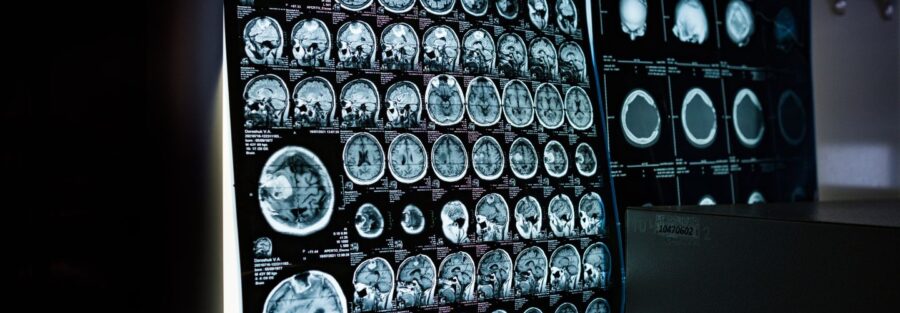
The Complete Guide to X-Ray Medical Shredding for Confidential Records in Surrey
Healthcare providers, dental clinics, veterinary practices, and medical imaging centres in Surrey face a double challenge when managing old medical files and diagnostic films. On one side, strictly enforced data privacy regulations demand total confidentiality and verifiable record destruction. On the other side, environmental standards demand responsible handling of toxic chemical compounds and precious heavy metals found in legacy diagnostic media. Understanding the importance of commercial document shredding is essential for maintaining compliance across all clinical operations.
To navigate this regulatory landscape, organisations across Surrey rely on professional X-Ray Medical Shredding services. Properly managing radiographic materials requires far more than basic paper shredding; it demands specialist recycling, silver recovery, chemical neutralization, and tamper-proof chain of custody tracking. Many facilities also choose to invest in secure document shredding programs to safeguard their ongoing physical risk profile.
This comprehensive guide explores everything medical directors, practice managers, compliance officers, and administrative leaders need to know about X-Ray Medical Shredding, healthcare document destruction, legal retention schedules, and eco-friendly silver recovery in Surrey, supported by our experienced team at sandsdocument about us page details.
Understanding the Critical Need for Secure X-Ray Medical Shredding
Diagnostic films carry deeply sensitive personal information. Beyond the physical image showing skeletal structures, dental scans, or soft tissue radiographs, X-ray jackets and accompanying envelopes contain sensitive patient details. These often include full patient names, dates of birth, National Insurance numbers, unique NHS numbers, diagnostic findings, treatment plans, and residential addresses. Practitioners must prioritize paper shredding and confidential waste disposal alongside physical film processing.
Leaving old radiographs in standard storage or disposing of them via municipal waste streams creates severe regulatory liability. A single mislaid radiography file can lead to identity theft, privacy breaches, substantial financial fines, and irrecoverable reputational damage. Knowing why document storage matters for legal businesses and medical providers alike helps mitigate such vulnerabilities.
Regulatory Compliance and Privacy Legislation
In the United Kingdom, healthcare records fall under stringent statutory obligations. Maintaining GDPR HIPAA with secure document shredding guidelines alongside the UK General Data Protection Regulation (UK GDPR) and the Data Protection Act 2018 sets heavy legal requirements on how Protected Health Information (PHI) and Personally Identifiable Information (PII) must be handled, stored, and permanently destroyed.
Specialized Handling Beyond Standard Paper Records
While conventional office documents are primarily composed of paper fiber, medical radiographic film is composed of PET (polyethylene terephthalate) plastic coated with an emulsion containing silver halides. Healthcare managers consulting an ultimate guide picking paper shredding service often learn that standard shredding units are entirely inadequate for diagnostic film.
Standard paper shredders are completely unsuited for processing radiographic film. Attempting to run thick, plasticized X-ray sheets through standard shredding machines damages cutting blades, jams internal mechanisms, and creates dangerous static electricity. Furthermore, standard waste facilities cannot extract the heavy metals, leading to environmental contamination if deposited in landfills. Secure X-ray film destruction requires industrial-grade micro-shredding coupled with secondary chemical and thermal processes designed for silver extraction.
Environmental Liabilities of Improper Radiograph Disposal
X-ray film contains elemental silver bound within a polymer matrix. When raw radiograph sheets decompose in public landfills or undergo unmonitored incineration, heavy silver compounds leach into soil and runoff waterways, posing severe ecological toxicity to marine ecosystems.
Professional X-ray film recycling services ensure that every metric ton of film is processed under strictly monitored environmental controls. Through controlled industrial processes, pure metallic silver is extracted and refined for reuse in medical, industrial, and technology manufacturing, supporting circular economy initiatives across Surrey.
Finding Reliable Document Management Solutions in Surrey
Whether operating a small private dental studio in Guildford, a multi-speciality medical clinic in Woking, or a veterinary hospital in Epsom, choosing the right partner for X-Ray Medical Shredding is essential for operational security. Modern practices recognize that changing the way we manage paperwork is key to maintaining efficient healthcare operations.
At sandsdocument, we provide end-to-end healthcare document destruction and X-ray film recycling services tailored to the strict compliance requirements of Surrey healthcare practitioners. Our security protocols guarantee complete data privacy, environmental sustainability, and legal audit protection. You can explore our complete range of specialized shredding services or contact our team directly through our contact us page to arrange a bespoke consultation and lockable bin delivery for your practice.
How Professional X-Ray Medical Shredding Works
Implementing professional X-Ray Medical Shredding requires a systematic, transparent workflow that preserves security at every touchpoint. Understanding each stage of the lifecycle allows healthcare managers to verify that their service provider adheres to the highest operational standards, matching the ultimate guide to secure document storage principles.
Step 1: Secure On-Site Collection and Storage
The destruction process begins within your medical or dental facility. Rather than placing old films in general recycling bins, healthcare staff insert expired radiographs into lockable, tamper-evident consoles or secure heavy-duty wheelie bins supplied by your shredding provider. Organizations can deploy specialized shredding bins for offices to maintain continuous security on every floor.
These secure containers feature narrow deposit slots that prevent unauthorised access. Keycard or physical key access is restricted to authorized facility personnel and vetted shredding technicians. For broader document management needs, practices can utilise overall archive and document storage protocols.
Step 2: Vetted Chain of Custody Transport
When containers reach capacity or scheduled collection dates arrive, security-cleared personnel arrive at your Surrey location. Leading document management providers enforce strict background checks (BS7858 vetting) for all drivers and technicians.
The sealed containers are transferred directly to GPS-tracked, hard-sided security vehicles. Throughout transport to the centralized destruction facility, the chain of custody remains unbroken, tracked electronically through barcoded scanning at every loading and unloading milestone. Facility managers looking for reliable logistics often search for a shredder truck near me on site bulk shredding deployment.
Step 3: Industrial Shredding and Material Separation
At the automated processing center, radiographic films are sorted into specialised processing streams. Paper envelopes, clinical jacket covers, and patient records are separated for standard high-security cross-cut paper shredding and business paper shredding.
The plastic radiograph sheets undergo high-torque industrial cross-shredding, reducing the film into uniform, unreadable micro-particles. This physical destruction ensures that diagnostic images and printed patient markers can never be reconstructed or deciphered. When clinics require comprehensive destruction, combining paper, film, and hardware through shredder companies with full service options ensures complete risk elimination.
Step 4: Chemical Silver Extraction and Polymer Recycling
Once reduced to small particles, the shredded film enters closed-loop wash plants. Specialised, environmentally safe chemical baths strip the silver emulsion layer from the PET plastic backing. Choosing the best shredder recycling near me ensures that precious metals are returned to productive manufacturing loops.
The liquid mixture undergoes electrowinning and refining, yielding pure metallic silver bullion. Concurrently, the clean, stripped PET plastic flake is washed, dried, pelletized, and supplied to plastic manufacturers to produce new commercial products, achieving 100 per cent landfill diversion.
Step 5: Issuance of Certificate of Destruction
Following the completion of the destruction and recycling process, the healthcare provider is issued a formal Certificate of Destruction. This legal document details the precise date, weight, collection location, method of disposal, and unique batch numbers. The certificate serves as concrete legal audit proof during ICO audits, Care Quality Commission (CQC) inspections, and internal compliance reviews. You can easily schedule your compliance pickups or book online via our book online portal.
Key Considerations for Healthcare Facilities in Surrey
Selecting an X-Ray Medical Shredding vendor demands careful evaluation of operational certifications, security standards, and local service capabilities. Not all generic waste contractors possess the machinery, permits, or security protocols needed for clinical diagnostic media. Practice managers often consult our comprehensive blog for regulatory updates and industry insights.
Essential Certifications and Security Standards
When auditing potential disposal providers, verify that they hold valid industry accreditations. Key standards include:
- ISO 27001 (Information Security Management System): Validates that the provider enforces robust security controls over physical and digital data assets.
- ISO 9001 (Quality Management System): Ensures consistent service quality, rigorous operational procedures, and reliable customer support.
- ISO 14001 (Environmental Management System): Confirms adherence to strict environmental safeguards during silver recovery and plastic recycling processes.
- BS EN 15713 (Secure Destruction of Confidential Material): The recognized standard specifying key management, personnel vetting, vehicle security, and particle size requirements for physical shredding. Many facilities seeking immediate localized service search for shredding services near me within 1 mi to find accredited regional processing nodes.
Retention Schedules for Medical and X-Ray Records
A common compliance challenge facing Surrey medical practices is determining exactly when diagnostic film can be designated for secure X-ray film destruction. Retaining records for too long increases storage costs and data exposure risks, while destroying records prematurely violates clinical regulations. Organizations often utilize long term document storage solutions to safely bridge retention gaps prior to final disposal.
Under NHS and clinical guidance in England, standard retention periods for healthcare records generally follow these benchmarks:
Adult Patient Records and Radiographs
Standard diagnostic X-rays and medical records for adult patients must generally be retained for a minimum of 8 years following the last date of treatment or discharge. Clinics needing physical space relief can utilize maximizing office space the benefits of offsite document storage strategies to manage active archives.
Children and Young Adults
Radiographs and medical files for pediatric patients must be retained until the patient reaches their 25th birthday (or 26th birthday if the patient was 17 when treatment ended), or 8 years after the patient’s death if applicable.
Maternity and Obstetric Scans
Diagnostic records related to obstetric care, ultrasound imaging, and maternity services must be preserved for a minimum of 25 years after the birth of the child. Safe archiving can be supported through specialized sensitive materials storage facilities.
Mental Health and Special Collections
Radiographs and clinical records involving long-term mental health treatment or specialized legal proceedings may require retention for up to 20 years, or 8 years following the patient’s death.
Dental and Veterinary Records
Dental X-rays for adult patients typically require an 11-year retention period, whereas veterinary diagnostic films are recommended for retention for 7 years under Royal College of Veterinary Surgeons (RCVS) guidelines.
Always consult with your clinical governance team, legal advisor, or Caldicott Guardian before authorizing batch record purge operations. Practices seeking guidance on overall archiving can review our best document storage solutions for businesses resource.
Step-by-Step Guide to Purging Legacy X-Ray Archives
Purging large archives of legacy radiographs can feel overwhelming, particularly for established Surrey hospitals and long-standing private clinics that have accumulated decades of physical film. Following a structured audit and purge framework ensures efficiency and total compliance.
Step 1: Conduct a Comprehensive Archive Audit
Begin by cataloging your physical storage rooms, off-site archives, and filing cabinets. Group medical jackets by year of creation, last patient contact date, or patient age group. Clearly segregate records that have met their statutory retention expiration from active files. Clinics transitioning to digital workflows often integrate document scanning services during this auditing phase.
Step 2: Establish Clear Destruction Authorization Protocols
Before any record leaves your facility, secure formal written sign-off from designated clinical leaders, data protection officers, or practice owners. Maintain an inventory log detailing the specific file batches authorized for secure X-ray film destruction. Practicing the best practices for storing confidential documents in the digital age ensures that modern records match the audit rigor of legacy paper files.
Step 3: Partner with a Specialist Healthcare Shredding Service
Engage an experienced destruction provider like sandsdocument that offers dedicated healthcare document destruction and X-ray film recycling services in Surrey. Whether you require local support in london or across eastern regions like chelmsford, colchester, brentwood, basildon, or harlow, our logistics network provides total regional coverage. You can instantly request a project estimate through our request a quote form.
Simplify your compliance and free up valuable clinic space today. Partner with sandsdocument for certified, reliable X-Ray Medical Shredding across Surrey. Contact our specialist team now for a free audit and customized quote!
Step 4: Execute Collection and Validate Documentation
On collection day, oversee the loading of your sealed storage containers into the provider’s security vehicle. Once processing is completed at the specialized destruction facility, review and archive your Certificate of Destruction alongside your record management audit logs.
Digitalization and Modern Media Destruction in Healthcare
As modern healthcare practices transition from physical film to Picture Archiving and Communication Systems (PACS) and digital file storage, the physical destruction process shifts toward electronic media. Converting physical files through document scanning turning into digital assets allows practices to streamline daily operations.
When digitizing medical records, healthcare facilities must implement structured guide to electronic document management practices using an enterprise-grade document management system. Broader document management services help structure files through careful digital file organization and proper document indexing and categorization.
Handling Legacy Hardware and Backup Media
During a digital migration, practices must also safely dispose of retired IT infrastructure, diagnostic workstations, server hard drives, and legacy backup tapes. Physical diagnostic destruction should always be paired with hard drive destruction and specialized secure media destruction service protocols. Practice managers often ask is hard drive shredding really secure when evaluating electronic destruction, and the answer lies in physical high-torque granulation that renders magnetic platters totally unrecoverable. Using certified methods to protect data with hard drive shredding guarantees total data destruction across both physical and electronic vectors.
For active digital files, clinics should utilize secure external environments such as cloud document storage or maintain physical backups via secure backup media storage facilities. Complete lifecycle oversight is achieved through structured document lifecycle management programs, while rapid physical access is guaranteed through a dedicated file and box retrieval service.
Practices exploring digital conversion can review the insights in the paperless office myth how document scanning boosts security and saves small UK businesses money as well as specialized guidance on document scanning services in london uk.
Comparing On-Site vs. Off-Site Shredding Solutions
When arranging healthcare document destruction, Surrey administrators must choose between on-site mobile shredding vehicles and off-site processing facilities. Both methods provide high security, but they differ in operational execution. Practice managers searching for rapid options often look for paper shredding same day services available or search for shredding services near me with availability to meet tight deadlines.
On-Site (Mobile) Shredding
With on-site shredding, a custom mobile destruction vehicle arrives directly at your Surrey clinic or hospital. Vetted technicians transport lockable bins from your premises to the vehicle, where industrial shredding units reduce paper records and diagnostic jacket materials on-location. Many facilities opt for a specialized shredder for instant paper destruction during high-profile purges.
While highly visible, mobile shredding trucks primarily process paper and card stock. The actual polymer-based X-ray film sheets collected on-site are consolidated into secure, locked bins and transported to specialized chemical recovery plants to undergo silver extraction and plastic pelletization. Administrators looking for nearby collection hubs can search for shredding services near me within 5 miles or find the best documents shredding services near me for local support.
Off-Site Shredding and Processing Facilities
Off-site shredding involves transferring sealed, barcoded containers directly from your facility to a high-security destruction center equipped with heavy industrial shredders and automated recovery systems. Clinics seeking nearby destruction logistics can utilize a shredder store near me buy or repair center for localized hardware support or explore best public documents shredders option guides for small volume disposal.
Off-site destruction allows for high-volume processing of bulk archives, industrial scale separation of films from paper jackets, and direct integration into closed-loop chemical silver recovery lines. Every container is weighed, logged, and tracked via CCTV monitoring throughout the entire off-site workflow. Practice administrators searching for localized options can find shredding close to me fastpickup secure disposal across multiple Surrey postcodes, while home-based clinics can explore residential shredders near me secure solutions.
Surrey Regional Coverage and Surrounding Service Towns
In addition to serving clinics in Surrey, our extensive transport network supports medical, dental, and administrative practices across nearby towns and surrounding commercial hubs. Whether your facility operates in billericay, witham, burnham on crouch, or clacton on sea, our security vehicles deliver scheduled and on-demand pickups.
We also extend full healthcare document destruction services to clinical providers in epping, harwich, ingatestone, loughton, maldon, rayleigh, southend on sea, and wickford. No matter where your healthcare facility is located, our certified team ensures your confidential diagnostic media is collected and destroyed in total compliance with UK privacy laws.
Environmental Benefits of Certified X-Ray Film Recycling Services
Choosing specialized X-ray film recycling services over standard disposal aligns your healthcare practice with modern sustainability goals and NHS Net Zero targets.
Silver Reclamation and Resource Conservation
Silver is a finite precious metal that requires substantial energy, water, and earth displacement to mine. Medical diagnostic film contains significant concentrations of silver halides.
Through high-efficiency chemical extraction and electrowinning, secure recycling facilities extract up to 99 percent of the pure metallic silver contained within discarded radiographs. Recovered silver is cast into industrial bullion bars and reused in electronics, solar technology, new medical equipment, and jewelry manufacturing, reducing the need for primary mining operations.
Plastic Circularity and Landfill Diversion
Polyethylene terephthalate (PET) plastic forms the structural base of X-ray film. PET is a durable, high-grade thermoplastic that takes hundreds of years to decompose in natural landfill environments.
By stripping silver emulsions and micro-shredding the remaining plastic base, modern recycling facilities transform waste film into high-grade recycled PET (rPET) flakes. These flakes are melted down and reprocessed into industrial strapping, food containers, synthetic fibers, and automotive components, keeping tons of synthetic waste out of Surrey landfills.
Frequently Asked Questions (FAQs)
What types of X-ray films can be processed for recycling and shredding?
Professional X-Ray Medical Shredding services handle all forms of diagnostic imaging media. This includes standard medical radiographs, pediatric X-rays, industrial non-destructive testing (NDT) films, dental bite-wing and panoramic X-rays, MRI scans printed on film, CT diagnostic films, and veterinary X-ray sheets. Both exposed films and unexposed/expired stock film can be processed for silver recovery and secure destruction.
Do we need to remove X-ray films from paper jackets and envelopes before collection?
No, you do not need to manually separate X-ray films from their paper jackets or envelopes. Reputable service providers handle the sorting process using automated, high-speed sorting systems. Paper envelopes, diagnostic reports, and medical jackets are separated and routed to high-security paper shredding lines, while the plastic X-ray sheets are directed to specialized silver extraction equipment. This saves your staff significant time and labor.
How is silver recovered from old medical X-ray films?
Silver recovery involves a multi-stage industrial process. First, the X-ray film is micro-shredded into small plastic flakes to maximize surface area contact. The shredded material is then immersed in specialized, environmentally friendly wash solutions that dissolve the gelatin emulsion containing silver halides. The resulting liquid solution undergoes an electrowinning process, where electrical currents precipitate the silver out of the solution onto cathodes. The extracted silver is refined into pure 99.9% metallic silver bullion for industrial reuse.
What proof do we receive that our medical records and X-rays were securely destroyed?
Upon completion of the shredding and recycling process, your organisation receives an official Certificate of Destruction. This legal document confirms that your records were handled in accordance with BS EN 15713 security standards and UK GDPR compliance requirements. The certificate outlines the collection date, unique batch numbers, weight of processed materials, facility location, and confirmation of physical destruction. This document should be retained in your compliance files to demonstrate adherence during official audits.
How often should a medical practice schedule X-ray shredding services?
The frequency of collection depends on your facility’s operational volume, physical storage capacity, and record retention schedules. Large hospitals and imaging centers often require weekly or monthly scheduled console maintenance. Medium-sized clinics and dental practices frequently utilize quarterly or bi-annual collections. Smaller private practices or facilities undertaking a one-time archive clearance can book ad-hoc bulk purge collections whenever storage limits are reached.
Are mobile radiography units and dental clinics in Surrey eligible for on-site collection?
Yes, professional collection services cover all medical, dental, veterinary, and private healthcare facilities across Surrey, including mobile imaging providers, private practices, and community clinics. Service technicians bring locked collection containers directly to your location, load your archived diagnostic records, secure the load in GPS-monitored transport vehicles, and transport them to the destruction facility under a documented chain of custody.
Protect Your Practice with Certified Document Destruction
Managing medical records and diagnostic film requires a trusted partner who understands the strict legal standards of UK GDPR, CQC compliance, and environmental protection. Improper handling exposes your practice to massive data breach liabilities, ecological damage, and legal penalties.
By choosing sandsdocument for your X-Ray Medical Shredding, healthcare document destruction, and X-ray film recycling services in Surrey, you gain complete peace of mind. Our BS7858-vetted team, secure chain-of-custody tracking, advanced silver recovery processes, and official Certificates of Destruction ensure your confidential records are destroyed securely, legally, and sustainably. You can also follow our continuous security updates on our social community through sandsdocument Instagram.
Take control of your archive management today. Contact sandsdocument to request lockable security bins, schedule an archive purge, or speak with our Surrey compliance specialists about tailored destruction solutions for your organization.